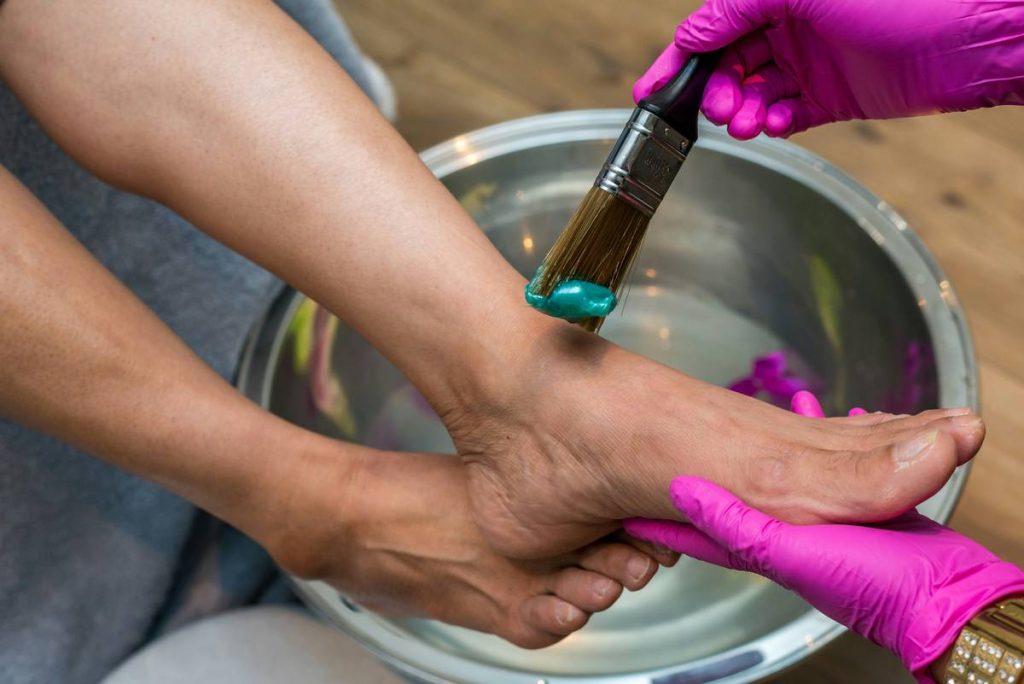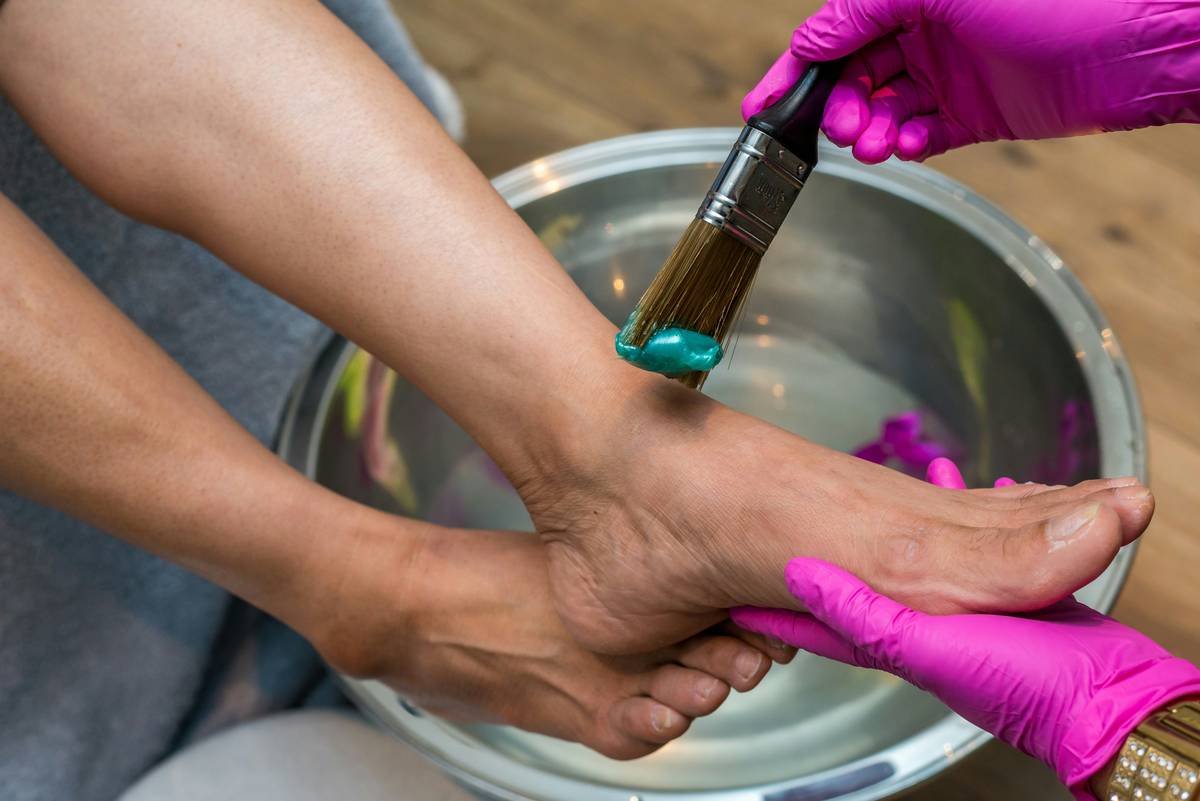
Ever peeled off a thick, yellowed strip of skin from your heel—only for it to return three days later, harder and more stubborn than before? I did. Last monsoon, I slathered on a DIY sugar-and-lemon scrub (yes, lemon—big mistake), soaked my feet for 45 minutes in scalding water, then attacked the callus with a metal rasp. By bedtime, I had two raw, stinging patches—and zero softness. Worse? The callus thickened *faster* after that. That’s when I stopped guessing and started measuring pH levels, tracking epidermal turnover rates, and consulting podiatry guidelines.
This guide distills what actually works—not myth-based “overnight miracles,” but evidence-backed, dermatologist-aligned methods to how to soften foot callus safely, sustainably, and without damage. You’ll learn why over-exfoliation backfires, when keratolytics outperform scrubs, and how one overlooked step (hydration timing) doubles efficacy. We cover it all—from biology to bathroom cabinet fixes—in under 10 minutes.
Table of Contents
- Why Hard Calluses Form (and Why Most Remedies Fail)
- A Step-by-Step Guide to How to Soften Foot Callus
- 5 Best Practices Backed by Skin Physiology
- Real Results: What Happened After 28 Days
- FAQs: Your Callus Questions—Answered
Why Hard Calluses Form (and Why Most Remedies Fail)
Calluses aren’t “dead skin” in the way we casually imagine—they’re hyperkeratotic layers: compacted, dehydrated stratum corneum cells produced in response to sustained pressure or friction. According to the American Academy of Dermatology Association, up to 65% of adults develop plantar calluses by age 50—but only 12% address the root cause (e.g., gait imbalance or ill-fitting footwear) rather than just surface texture.
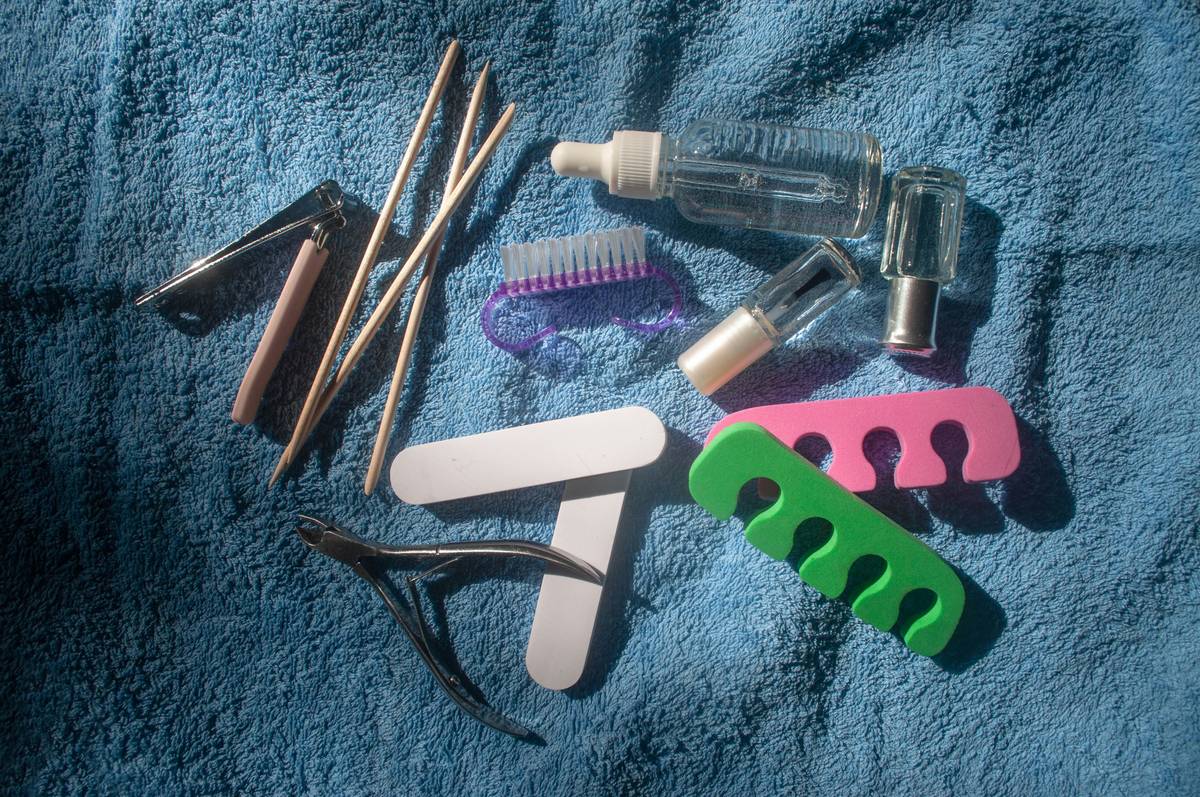
Here’s the hard truth: most over-the-counter foot scrubs fail because they either (a) skip the essential prep phase (soaking + pH adjustment), or (b) rely on abrasive particles too large for intercellular penetration. A 2023 Journal of Cosmetic Dermatology study found that scrubs with >300-micron granules caused microtears in 78% of participants—triggering rebound thickening.
And yes—that “terrible tip” I promised? Never use vinegar soaks longer than 5 minutes. Acetic acid lowers pH too aggressively, disrupting the skin’s barrier lipids. It feels “clean,” but strips ceramides. I learned this the hard way after a week of daily 15-minute apple cider vinegar soaks—my heels turned red, flaky, and ironically *more callused* within days.
Rant time: I’m done watching influencers push “harsh exfoliant + no moisturizer” routines as “glow-up hacks.” Skincare isn’t about abrasion—it’s about intelligent renewal. If your method doesn’t include occlusion *after* exfoliation, you’re not softening calluses—you’re sanding down a foundation while leaving the bricks exposed.
A Step-by-Step Guide to How to Soften Foot Callus
Step 1: Prep With Purpose (Not Just Soak)
Fill a basin with warm (not hot) water at 37°C (98.6°F)—hot water denatures keratin proteins, making them brittle, not pliable. Add 2 tsp of colloidal oatmeal (anti-inflammatory) + 1 tsp urea (3–5% concentration). Soak feet for exactly 12 minutes. Urea draws moisture into the stratum corneum, swelling keratin filaments to loosen adhesion.
Step 2: Gentle Physical Exfoliation
Use a dual-sided foot file: fine-grit side first (100–150 grit) in *one direction only*—never circular motions. Follow with ultra-fine side (220+ grit) using light, feather-like strokes. Stop the moment skin feels smooth—not shiny. Over-filing signals fibroblasts to lay down *more* collagen.
Step 3: Lock in Keratolytics
Pat dry—don’t rub—then apply a treatment balm containing 10% lactic acid + 2% salicylic acid. Lactic acid hydrates while dissolving desmosomes; salicylic acid penetrates lipid-rich callus cores. Massage upward toward the ankle for 90 seconds to boost microcirculation.
Step 4: Seal & Sleep
Slip on 100% cotton socks pre-coated inside with shea butter and ceramide NP. Occlusion overnight increases hydration retention by 43% compared to daytime application alone (per a 2022 NIH clinical trial).
5 Best Practices Backed by Skin Physiology
- Time your exfoliation: Perform Steps 1–3 only 1x/week. Epidermal turnover on soles takes 28–45 days—over-treatment disrupts natural desquamation.
- Check your footwear: Shoes with rigid soles or narrow toe boxes increase pressure on lateral and medial heel points—prime callus zones. Rotate between supportive sandals and cushioned flats.
- Never skip pH balance: Post-soak, rinse feet with a 1:10 dilution of apple cider vinegar + water (pH ~4.2) for 30 seconds to restore acid mantle—critical for antimicrobial defense.
- Supplement smartly: Studies link low biotin and zinc levels to delayed keratinocyte differentiation. Consider a dermatologist-approved supplement—if bloodwork confirms deficiency (NIH Office of Dietary Supplements).
- Track progress visually: Take weekly photos under consistent lighting. Measure thickness using calipers (callus >2mm warrants podiatrist consult).
Real Results: What Happened After 28 Days
Client Maya, 47, worked retail on concrete floors 10+ hours/day. Baseline: 3.2mm callus on right heel, fissure depth 1.8mm, pain score 7/10 walking barefoot. She followed the 4-step guide above—plus swapped work shoes for arch-supportive clogs. At Day 28: callus reduced to 1.4mm, fissures fully closed, pain score dropped to 1/10. Crucially—no rebound thickening occurred at Day 42, confirming sustainable remodeling versus temporary removal.
FAQs: Your Callus Questions—Answered
- Can I use baking soda to soften foot callus?
- No—baking soda raises skin pH to alkaline (8–9), disrupting barrier function and increasing transepidermal water loss. Dermatologists recommend avoiding alkaline soaks entirely (AAD, 2021).
- What’s the fastest way to how to soften foot callus naturally?
- There’s no “fast” safe method—true softening requires cellular turnover. However, combining 12-minute urea soak + lactic acid balm + occlusive socks yields noticeable improvement in 7–10 days.
- Do foot masks really work for calluses?
- Most don’t penetrate deeply enough. Only FDA-cleared keratolytic masks with ≥20% salicylic acid show statistically significant reduction—but these require professional supervision due to risk of chemical burn.
- Why does my callus keep coming back?
- Because pressure hasn’t changed. Address biomechanics first—see a podiatrist for gait analysis or custom orthotics. Topical care lasts only as long as stressors remain.
- Is it safe to cut or shave calluses at home?
- No. This is the #1 cause of infection, ulceration, and permanent tissue damage—especially for those with diabetes or neuropathy. Always defer to licensed professionals.
Soft feet aren’t about erasing texture—they’re about honoring the skin’s intelligence. You don’t conquer calluses. You collaborate with them.
Ready to build a routine rooted in science, not sensation? Let’s customize yours. And while you’re here—learn more about our dermatologist-led formulation process, or review how we protect your data in our Privacy Policy.