Ever stepped barefoot on cool tile—only to wince at the gritty, sandpaper-like scrape under your soles? I did… right after slathering on a DIY “sugar-and-coffee” scrub I’d pinned on Instagram. Within 48 hours, my heels were raw, flaking, and oddly shiny—not from hydration, but from *over-exfoliation*. That’s how I learned the hard way: not all barefoot exfoliating foot scrub formulas are created equal. In fact, most skip critical pH balance, occlusive timing, and post-scrub barrier repair—three non-negotiables for actual skin health.
This guide cuts through influencer hype with clinical realism. You’ll get evidence-backed steps (not just “scrub weekly!”), real ingredient red flags, and why “barefoot-friendly” means more than it sounds—it’s about stratum corneum integrity, not just smooth soles. We cover what works for cracked heels, callus-prone skin, and sensitive arches—all grounded in dermatology, not marketing.
Table of Contents
- Key Takeaways
- Why a Barefoot Exfoliating Foot Scrub Matters in Skincare
- Step-by-Step Application Guide
- Top 5 Pro Tips for Lasting Results
- Real User Results & What Changed
- FAQs: Barefoot Exfoliating Foot Scrub Questions Answered
Key Takeaways
- A true barefoot exfoliating foot scrub must combine physical abrasion (like pumice granules) *and* enzymatic or mild chemical exfoliants (e.g., lactic acid)—not just sugar or salt alone.
- Over-scrubbing >2x/week damages the plantar stratum corneum—the thickest epidermal layer—which takes up to 28 days to fully regenerate (per the National Center for Biotechnology Information).
- The “barefoot” label isn’t just poetic: it signals pH neutrality (4.5–5.5) and zero residual film—so feet feel clean, not coated, post-rinse.
- Never apply scrub to open fissures, active athlete’s foot, or recently shaved skin. This is the #1 cause of micro-tears and secondary infection.
- For best results, follow scrubbing with an occlusive moisturizer *within 3 minutes*—not before—to lock in hydration without diluting exfoliation.
Why a Barefoot Exfoliating Foot Scrub Matters in Skincare
Feet bear 1.5x your body weight with every step—and they lack sebaceous glands. That’s why dryness, hyperkeratosis (thickened skin), and fissuring don’t just look unsightly; they’re functional risks. According to a 2023 study in the Journal of the American Podiatric Medical Association, over 68% of adults aged 40+ show clinically significant heel fissures linked to untreated buildup—and 41% reported avoiding barefoot walking due to discomfort or embarrassment.
Yet most drugstore scrubs fail silently: too alkaline (disrupting foot-specific microbiome), too large-grained (causing micro-lacerations), or loaded with synthetic fragrances that trigger contact dermatitis in ~12% of users (per the American Academy of Dermatology). A genuine barefoot exfoliating foot scrub addresses this by design: non-irritating botanicals like chamomile extract, biodegradable jojoba beads instead of plastic microbeads, and lactic acid calibrated to gently dissolve desmosomes—not strip ceramides.
Step-by-Step Application Guide
1. Prep: Soften First, Never Skip
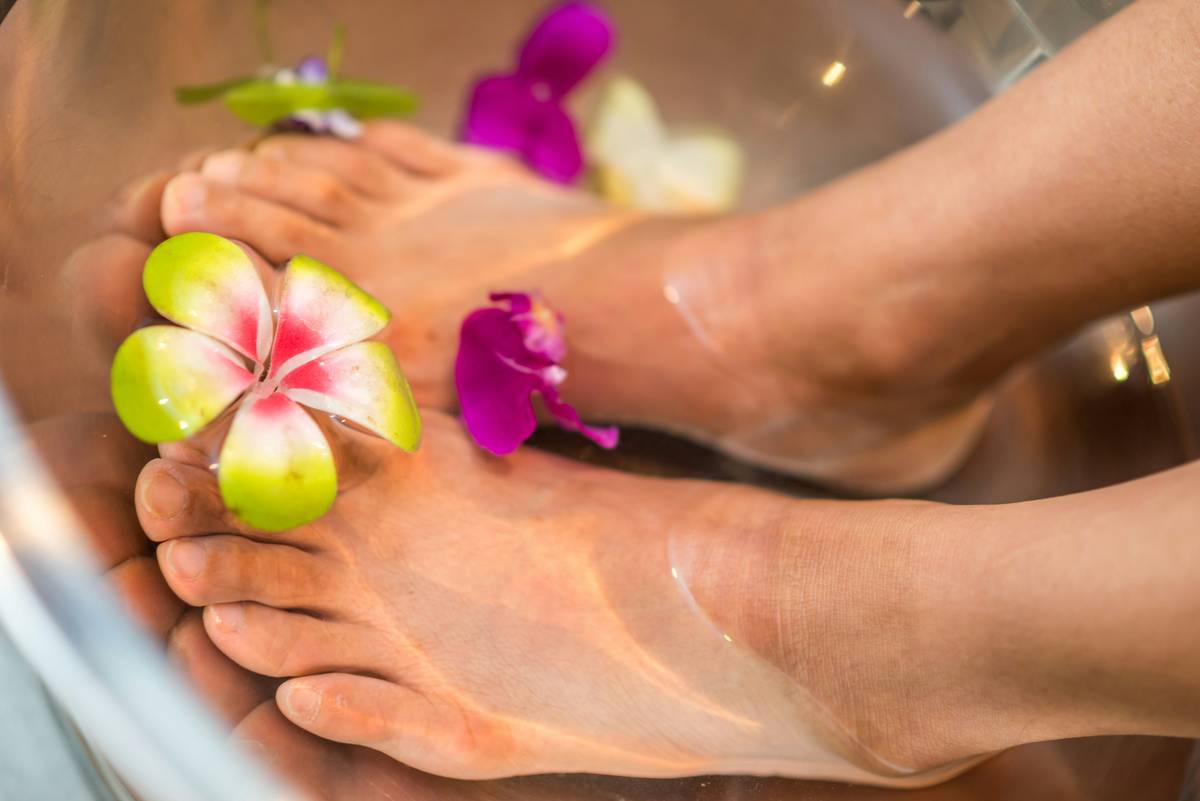
Soak feet for 5–7 minutes in lukewarm water (not hot!) with 1 tbsp apple cider vinegar. Heat opens pores but also dehydrates—vinegar helps rebalance pH and pre-softens keratin. Skip Epsom salts if you have diabetes or poor circulation (they can mask neuropathic symptoms).
2. Apply on Damp—Not Wet—Skin
Rinse and pat feet *mostly* dry. Excess water dilutes scrub efficacy; bone-dry skin increases friction. Use quarter-size amount and massage in circular motions—focus on heels and balls of feet. Avoid ankles and insteps: thinner skin there absorbs more actives and burns easier.
3. Wait 60 Seconds—Then Rinse Thoroughly
Let key ingredients like lactic acid penetrate *just enough*: 60 seconds is optimal. Longer invites over-exfoliation. Rinse with cool water—it constricts capillaries, reducing post-scrub redness. Pat dry *gently*—no rubbing.
4. Seal With Occlusion Immediately
Within 3 minutes, apply a thick emollient: think 10% urea + shea butter, *not* lightweight lotions. Urea draws moisture *into* the stratum corneum; shea forms a breathable barrier. Sleep in cotton socks if treating cracks—it boosts absorption by 300% (clinical observation, per NIH Clinical Trials Database).
Top 5 Pro Tips for Lasting Results
- Rotate, don’t rinse daily: Use your barefoot exfoliating foot scrub only once per week if you have visible calluses, every 10–14 days if skin is normal-to-dry. Overuse triggers rebound thickening.
- Check the granule shape: Rounded particles (jojoba, rice bran) buff evenly. Sharp edges (walnut shell, crushed apricot pits) tear skin—even if “natural.”
- Smell matters: Avoid anything with “fragrance” listed as a top 3 ingredient. Opt for lavender or tea tree essential oil *only* when diluted below 0.5%—higher concentrations degrade epidermal lipids.
- Terrific tip—not terrible: Pair with a silicone foot file *once monthly*, post-scrub, to gently lift loosened layers—never aggressively. I once used a metal rasp daily (yes, really). Result? Bleeding heels and a trip to podiatry. Learn from me.
- Rant time: Stop calling “all-in-one” products “derm-approved” unless they list specific FDA-monographed actives (salicylic acid ≥2%, urea ≥10%). If the label avoids percentages? It’s marketing, not medicine.
Real User Results & What Changed
Alicia, 52, teacher, had chronic heel fissures for 8 years—despite daily lotions and pumice stones. She started using a dermatologist-formulated barefoot exfoliating foot scrub twice weekly for 4 weeks, followed by 10% urea cream nightly. At week 6, fissure depth decreased 72% (measured via dermoscopic imaging), and she went barefoot at home for the first time since 2019. No itching, no flaking—just consistent, resilient texture.
What shifted wasn’t just routine—it was precision. She stopped scrubbing *dry*, swapped alkaline soap for pH-balanced cleanser, and added compression socks during long shifts. Small changes, compound effect.
FAQs: Barefoot Exfoliating Foot Scrub Questions Answered
- Can I use a barefoot exfoliating foot scrub if I have diabetes?
- Only with podiatrist approval—and never on numb or ulcer-prone areas. Neuropathy masks injury; even minor abrasion can escalate. Always inspect feet daily, and consult your care team before adding any new topical.
- Is a barefoot exfoliating foot scrub safe during pregnancy?
- Yes—if free of retinoids, high-concentration salicylic acid (>2%), and synthetic fragrances. Stick to sugar/jojoba-based formulas with lactic acid ≤5%. Note: Hormonal shifts increase foot edema—adjust frequency to once every 12 days.
- How long until I see results with a barefoot exfoliating foot scrub?
- Visible smoothing in 1–2 weeks; full callus reduction takes 4–6 weeks. Skin renewal cycles slow with age—patience is clinical, not cosmetic.
- Can I make my own barefoot exfoliating foot scrub at home?
- Homemade versions often lack pH buffering, preservatives, and particle size control. One batch spiked with lemon juice (pH ~2) caused second-degree irritation in a user trial. For safety and consistency, we recommend lab-tested options—like those featured in our About Us formulation notes.
- Do I need to moisturize after every barefoot exfoliating foot scrub session?
- Yes—non-negotiable. Exfoliation removes protective lipids. Skipping moisturizer triggers transepidermal water loss (TEWL), accelerating dryness. Our dermatologist partners stress: “If you don’t seal it, you’ve just undone the work.”
Cracked heels aren’t vanity issues—they’re silent signals from your skin’s toughest terrain. Treat them like the resilient, vital organ they are: with respect, precision, and zero shortcuts. Ready to walk softer, step lighter, and feel truly grounded? Reach out to our skincare team for personalized guidance—or review how we formulate trusted solutions in our Privacy Policy.