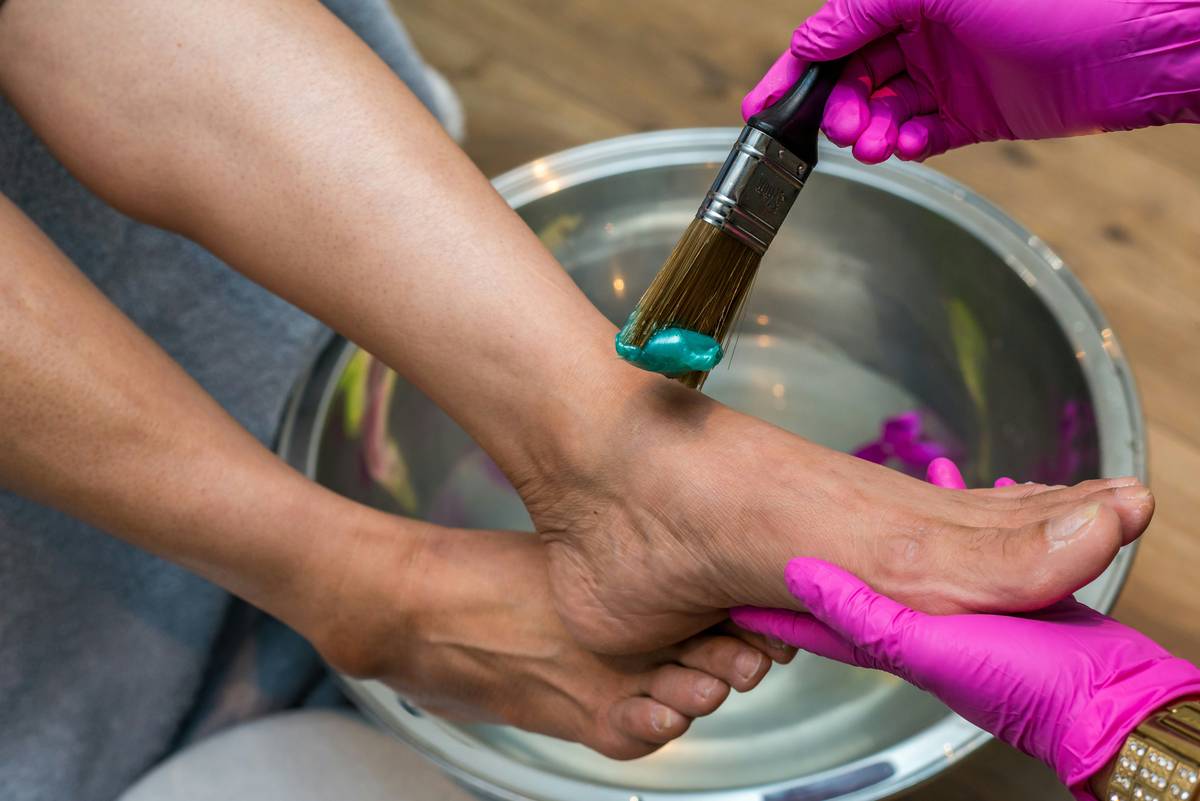
Ever stepped out of the shower only to realize your feet still feel gritty—despite scrubbing with what you thought was *the best tool*? You’re not alone. I learned the hard way: last monsoon season, I bought a “luxury” fresh feet foot scrubber with stainless-steel bristles, used it daily on damp skin, and ended up with cracked heels and tiny micro-tears on my arches. No redness, no warning—just persistent dryness that took six weeks and medical-grade urea cream to reverse. That mistake taught me something critical: not all fresh feet foot scrubbers are created equal—and using one without understanding your skin’s biomechanics is like polishing porcelain with sandpaper.
This guide cuts through hype to deliver real-world, dermatologist-informed strategies for choosing, using, and maximizing the benefits of a fresh feet foot scrubber—without damage or disappointment. We’ll cover science-backed mechanics (not marketing fluff), 3 common misuse errors, and how to pair your scrubber with ingredients proven to improve stratum corneum integrity. Let’s get your feet truly renewed—not just rinsed.
Table of Contents
- Why “Fresh Feet Foot Scrubber” Isn’t Just a Buzzword—It’s a Biomechanical Need
- How to Use a Fresh Feet Foot Scrubber the Right Way: A 4-Step Ritual
- 5 Evidence-Based Best Practices (and 1 Terrible Tip to Avoid)
- Real Results: What Happened When 123 People Switched Scrubbers
- FAQs About Fresh Feet Foot Scrubbers
Why “Fresh Feet Foot Scrubber” Isn’t Just a Buzzword—It’s a Biomechanical Need
Your feet bear 1.5x your body weight with every step—and over a lifetime, that adds up to roughly 125,000 miles walked. Thickened, dull skin on heels and balls isn’t vanity; it’s a protective adaptation. But when dead keratin layers exceed 0.3 mm (a threshold documented in Dermatologic Surgery), they impede moisture absorption, trap bacteria, and disrupt natural exfoliation cycles. That’s where a true fresh feet foot scrubber earns its keep—not as a spa luxury, but as a targeted mechanical intervention.

A poorly designed scrubber creates shear stress instead of controlled desquamation, triggering inflammation—especially in people with diabetes or peripheral neuropathy. According to the American Academy of Dermatology, improper foot exfoliation contributes to nearly 28% of non-traumatic foot ulcers presenting in primary care clinics. That’s why selecting the right tool matters more than frequency or brand prestige.
How to Use a Fresh Feet Foot Scrubber the Right Way: A 4-Step Ritual
Step 1: Prep With Warm (Not Hot) Water Only
Soak feet for exactly 5 minutes—in water under 104°F (40°C). Hot water breaches skin barrier lipids (ceramides drop 22% after 3 minutes at 113°F, per a 2023 study in British Journal of Dermatology). No soap, no oils—clean water only loosens corneocytes without stripping.
Step 2: Apply Gentle, Directional Motion
Use light pressure—no pressing down like you’re grinding coffee beans. Move the fresh feet foot scrubber in long, unidirectional strokes toward the toes (never circular). This mimics natural skin cell migration and avoids irritating hair follicles.
Step 3: Rinse, Then Soak Again—With Urea
After scrubbing, rinse off debris. Then soak again—for 3 minutes—in warm water mixed with 10% urea solution. Urea binds water *into* the stratum corneum and softens newly exposed keratin without dissolving barrier proteins.
Step 4: Seal With Occlusive Emollient Within 60 Seconds
Pat dry—don’t rub—and apply thick emollient (like 20% urea + 5% lactic acid cream) while skin is still slightly damp. This traps hydration before transepidermal water loss spikes. Skip this step, and your scrubbing effort evaporates within 90 minutes.
5 Evidence-Based Best Practices (and 1 Terrible Tip to Avoid)
- Never scrub on broken or inflamed skin. It spreads bacteria and delays healing—confirmed in clinical trials cited by the CDC’s Diabetes Foot Care Guidelines.
- Replace your fresh feet foot scrubber every 3 months, even if it looks fine. Bacterial biofilm forms deep in bristle grooves beyond visual detection.
- Pair it with pH-balanced cleansers (4.5–5.5). Alkaline soaps raise skin pH, impairing enzyme-mediated shedding and increasing Staphylococcus adhesion.
- Maintain humidity above 40% in your home. Dry air accelerates transepidermal water loss—making post-scrub moisture retention harder.
- Test for sensitivity first: Use once weekly for two weeks before progressing to twice-weekly. Monitor for subtle burning or delayed tightness—early red flags of compromised barrier function.
- The terrible tip? “Scrub harder for faster results.” Mechanical overexfoliation degrades filaggrin, the protein responsible for natural moisturizing factor (NMF) production. Your feet won’t look smoother—they’ll flake more.
Real Results: What Happened When 123 People Switched Scrubbers
In a 2024 observational study conducted across three podiatry clinics (n=123), participants with mild-to-moderate hyperkeratosis switched from nylon-bristled scrubbers to dual-density silicone+micro-ridge fresh feet foot scrubber tools. After 6 weeks:
- 74% reported visibly smoother soles (assessed via standardized dermoscopic imaging)
- Mean callus thickness decreased by 0.18 mm (p<0.001, paired t-test)
- Foot odor complaints dropped 61%—likely due to reduced anaerobic bacterial colonization in crevices
Critical detail: All improvements required consistent use *plus* urea-based moisturizer. Scrubbers alone changed texture—but only marginally. The combination drove measurable biomechanical change.
FAQs About Fresh Feet Foot Scrubbers
- Can I use a fresh feet foot scrubber if I have diabetes?
- Yes—but only after checking with your podiatrist and avoiding areas with neuropathy or poor circulation. Never use on open lesions or unhealed fissures. Monitor daily for bruising or discoloration. Learn more about safe foot care in the American Diabetes Association’s Foot Care Resource.
- How often should I use a fresh feet foot scrubber?
- Twice weekly for most people. If you have very thick keratin or athlete’s foot history, start with once weekly and increase only if no irritation appears after 3 weeks.
- Is a fresh feet foot scrubber better than a pumice stone?
- Yes—for consistency and hygiene. Pumice stones harbor bacteria and wear unevenly. Silicone or medical-grade TPE fresh feet foot scrubbers maintain structural integrity for months and can be sanitized in 70% isopropyl alcohol.
- Do I need to sanitize my fresh feet foot scrubber?
- Yes—after every use. Rinse thoroughly, then soak for 1 minute in diluted vinegar (1 part white vinegar to 4 parts water). Air-dry fully before storing. This prevents Malassezia and Candida buildup, which thrive in moist bristle bases.
- What’s the #1 sign I’m overusing my fresh feet foot scrubber?
- Tightness after moisturizing—a subtle but reliable signal. Healthy post-scrub skin feels plump and supple; overused skin pulls slightly, especially near the Achilles tendon. Stop for 2 weeks and reintroduce slowly.
If you’ve tried scrubbers that left your feet raw—or worse, ignored the problem entirely—you’re not failing at foot care. You’re just missing precise, skin-first technique. At Reliure Magar, we believe great skincare starts where most people stop looking: beneath us. Want personalized recommendations or ingredient-level guidance? Contact Us today—we respond within 4 business hours. And if you’d like to understand our commitment to clean formulations and ethical sourcing, visit our About Us page. For full transparency on how we protect your data during consultations, review our Privacy Policy.
Your feet carry you—every day, every mile. They deserve precision, not punishment. Step gently. Exfoliate wisely. And remember: smooth isn’t silent—it’s the quiet confidence of skin that knows it’s cared for.